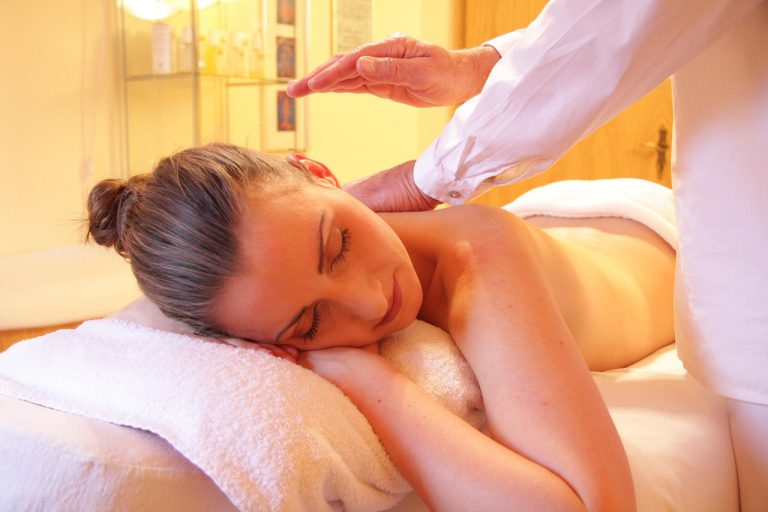
“Medical massage” sounds different from the massage you might get at a day spa, and some offices use the term to set themselves apart. You may wonder whether it means extra training, whether you need a prescription, and whether insurance will pay for it.
This guide explains how New York treats medical massage and spa massage, when a doctor’s referral matters, what Medicare covers, and what to ask before you book. The short answer: in New York, both are massage therapy, given under the same license.
Is “medical massage” a separate license in New York?
No. New York has one license for massage therapists, issued by the State Education Department (NYSED) under Article 155 of the Education Law. The law defines massage therapy the same way wherever it happens: a scientific system of stroking, kneading, tapping and vibrating applied to the muscles to improve muscle tone and circulation.
NYSED’s massage therapy questions and answers list many techniques that fall within that one license, including Swedish massage, medical massage, Thai massage, shiatsu, neuromuscular massage, reflexology, craniosacral massage and manual lymphatic drainage. So “medical massage” describes a style or setting, not a different credential. A therapist may say “licensed massage therapist” and then list techniques, but should not put “licensed” in front of a technique name.
NYSED also says massage therapists may not use electrical stimulation or ultrasound as part of their practice, even when they work for another type of health professional.
Where you get the massage
The setting changes the feel of a visit, not the license.
- In a clinic or medical office. Massage therapists often work alongside doctors, chiropractors or physical therapists. Those professionals may also use massage themselves within their own licenses. NYSED says that when a massage therapist is employed by another licensed professional, the patient is primarily that professional’s patient, but the massage therapist must still keep the service within massage therapy’s scope and standards.
- At a spa, gym or resort. The same license applies. NYSED says a work setting does not change the standards of good practice: a therapist at a health club should still ask about your health and medicines.
- At a hair or beauty salon. Licensed barbers and beauty professionals may give only light massage of the surface tissues for beautification, NYSED says. Anything beyond that requires a massage license or another authorized license.
Do you need a prescription?
No. NYSED’s consumer information says you can see a massage therapist directly, though your doctor may refer you. Its Q&A adds that a therapist may work from another provider’s prescription, but must still do their own assessment to decide which techniques to use or avoid.
A referral can still help. Some insurance plans will only consider paying with one, and a referral helps your therapist and doctor coordinate care. Massage therapists do not diagnose medical conditions, NYSED notes, so a new or unexplained problem belongs with a doctor first.
Does insurance pay for massage?
Medicare
Medicare.gov says plainly that Medicare does not cover massage therapy, so you pay all costs. It notes that some Medicare Advantage plans offer extra benefits Original Medicare does not cover, and suggests contacting the plan for details. If you have a Medicare Advantage plan, ask it directly.
Private plans, car accidents and work injuries
Coverage varies a lot by plan, and NYSED says it does not give advice on insurance reimbursement. Before you book, call your insurer and ask:
- Is massage therapy covered, and does it need a referral or prior approval?
- Does the therapist need to be in network, or work in a doctor’s or physical therapist’s office?
- How many visits are allowed, and what will I owe?
If your massage is related to a car accident or a work injury, ask the auto insurer, the workers’ compensation carrier, or your attorney what is covered before you start. Our guide to car accidents, no-fault and chiropractic care in New York covers the basics of no-fault.
What the evidence shows, briefly
The research does not separate “medical” from “spa” massage in a useful way. NCCIH reports that massage may help neck and shoulder pain, but the benefit may be short-lived. For low back pain, its back pain page says the American College of Physicians’ 2017 guideline lists massage as an option for acute or subacute pain, based on low-quality evidence, but does not recommend it for chronic low back pain. For more detail, read massage therapy for pain and stress.
Safety
NCCIH says the risk of harm from massage appears low, but rare serious events, including blood clots, nerve injury and fractures, have been reported. Many involved vigorous techniques such as deep tissue massage, or people at higher risk, such as older adults. NYSED’s precautions ask therapists to use caution with blood thinners, a suspected blood clot, recent surgery or injury, and reduced sensation from conditions like diabetes. See when to skip a massage.
When to see a doctor first
- pain after a fall, a car accident or a work injury
- numbness, tingling or weakness in an arm or leg, or changes in bladder or bowel control
- swelling, warmth or redness in one leg
- fever, unexplained weight loss, or a history of cancer
- osteoporosis, a bleeding disorder, or blood thinners
Questions to ask before you book
- Are you a New York licensed massage therapist? What is your license number?
- What does “medical massage” mean in your practice? What techniques and pressure do you use?
- Will you take a health history and, with my permission, talk with my doctor?
- Do you take my insurance, and will you give me a receipt with your license number?
You can search massage therapists, look at those who list rehab and orthopedic care or work injuries, and confirm any license with NYSED as explained in how to check a massage therapist’s license.
This is general information, not medical advice. Talk with your doctor before starting a new treatment. In an emergency, call 911.
Sources
- NYSED: Education Law Article 155, Massage Therapy
- NYSED: Massage Therapy Questions and Answers
- NYSED: Massage Therapy Questions and Answers (exemptions)
- NYSED: Massage Therapy Consumer Information
- NYSED: Precautions for Massage/Bodywork Therapy
- Medicare.gov: Massage therapy coverage
- NCCIH: Massage Therapy: What You Need To Know
- NCCIH: Low-Back Pain and Complementary Health Approaches