Massage is one of the most popular complementary therapies in the country. According to the National Institutes of Health’s National Center for Complementary and Integrative Health (NCCIH), about 10.9 percent of U.S. adults used massage therapy in 2022, more than double the share in 2002. Many people in Westchester, the Bronx, Rockland and Putnam book a massage for a sore back, a stiff neck or plain stress.
But does it work, and for what? This guide explains what the research shows for pain and for stress or anxiety, where the evidence is weak, how to stay safe, and who may give massage in New York. The short version: massage may give some people short-term relief, the risks are low for most, and the evidence is often low quality.
What massage therapy is
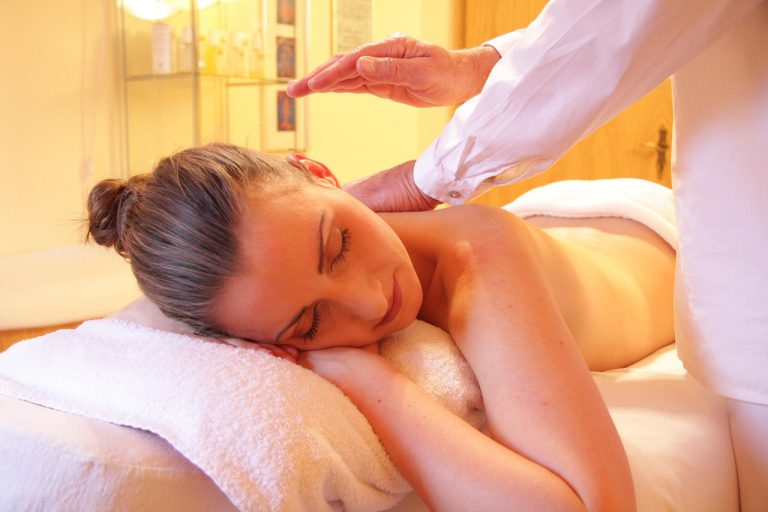
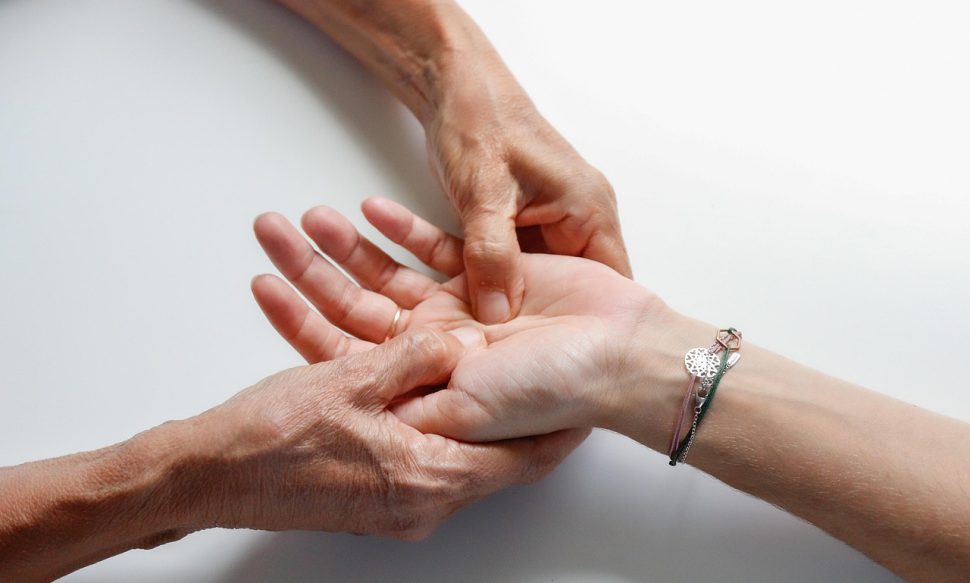
NCCIH describes massage therapy as manipulating the body’s soft tissues to help manage a health condition or support wellness. The most common Western form is Swedish massage. Others include sports massage, clinical massage aimed at specific goals such as easing muscle spasms, and styles from East Asia such as shiatsu and tuina.
New York’s massage therapy law defines the practice as applying a scientific system of stroking, kneading, tapping and vibrating to the body’s muscles, with the hands or vibrators, to improve muscle tone and circulation.
What the evidence shows for pain
Low back pain
This is where many people start, and the evidence is mixed. NCCIH’s low back pain page reports:
- Short-term back pain: a 2015 review found massage may produce short-term improvements in pain, but the evidence was low to very low quality. The American College of Physicians’ 2017 guideline lists massage as an option for acute or subacute low back pain, based on low-quality evidence.
- Long-lasting (chronic) back pain: a 2018 review for the federal Agency for Healthcare Research and Quality found slightly greater effects on pain and function after one to six months, compared with sham massage or usual care, but no evidence of an effect at six to twelve months. The same ACP guideline does not recommend massage for chronic low back pain.
For a broader look at your options, see back pain: where to start.
Neck and shoulder pain
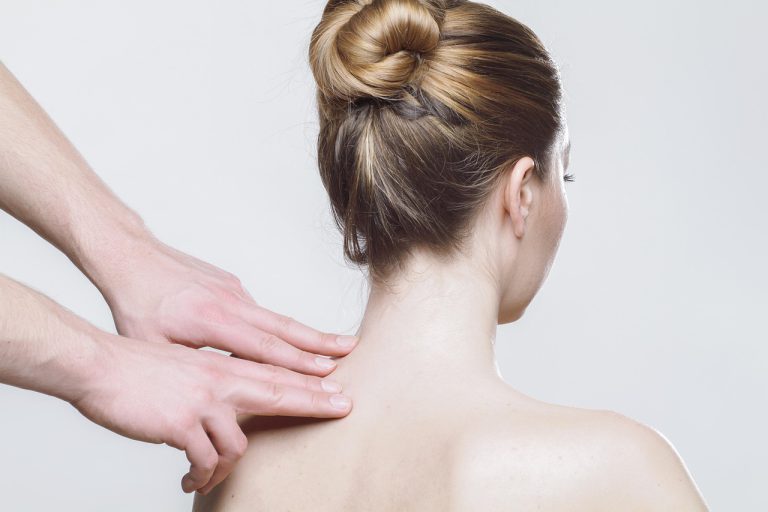
NCCIH says massage may help neck and shoulder pain, but the benefit may be short-lived. It did better than inactive treatments but not better than other active treatments.
Other conditions
- Fibromyalgia: massage may help some symptoms if it continues long enough. One review found that at least five weeks of massage improved pain, anxiety and depression, but not sleep.
- Knee osteoarthritis: limited research suggests possible short-term pain relief.
- Headaches: the evidence is limited and inconsistent.
- Cancer symptoms: NCCIH’s cancer page says there is only limited evidence. A 2016 review found some evidence that massage might help pain and anxiety, but rated the quality “very low.”
What the evidence shows for stress and anxiety
Many people book massage to relax. On anxiety, NCCIH says some studies suggest massage therapy may reduce anxiety, but more high-quality trials with larger numbers of people are needed. In other words, the research is promising but not settled.
Feeling calmer after a massage is common, and that may be reason enough for some people. If stress or anxiety is affecting your sleep, work or relationships, a licensed mental health professional or your doctor can help you sort out what kind of care fits.
What this means for you
- Massage may ease some kinds of pain for a while. Expect short-term relief, not a lasting fix.
- It tends to work best as one part of a plan that may include staying active, exercise or physical therapy, and your doctor’s care.
- NCCIH notes massage should not replace seeing a health care provider about a medical problem.
Safety
NCCIH says the risk of harmful effects from massage appears to be low. Rare serious events have been reported, including blood clots, nerve injury and bone fractures. Many of these involved vigorous techniques such as deep tissue massage, or people at higher risk of injury, such as older adults.
New York’s State Education Department publishes precautions for massage therapists. They advise caution with fever or contagious illness, medicines that thin the blood or weaken bones, swelling from heart or kidney failure, reduced sensation (for example from diabetes), acute inflammation, a known or suspected blood clot, and recent injury or surgery. Read more in when to skip a massage.
When to see a doctor first
Check with a doctor before massage if you have:
- new, severe or worsening pain, or pain after a fall or car accident
- numbness, tingling or weakness in an arm or leg, or changes in bladder or bowel control
- swelling, warmth or redness in one leg, which can be a sign of a blood clot
- fever, or weight loss you cannot explain
- cancer, osteoporosis, a bleeding disorder, or you take blood thinners
- a pregnancy with complications
Who may give massage in New York
Under section 7802 of the law, only a licensed person may practice massage therapy, and only a licensed massage therapist may use the titles “massage therapist,” “masseur” or “masseuse.” To be licensed, NYSED says a person must finish a registered massage program of at least 1,000 hours of classroom instruction, including at least 150 hours of hands-on practice, and pass the New York State Massage Therapy Examination. Doctors, nurses, physical therapists, chiropractors and podiatrists may also use massage within their own professions.
Every massage therapist profile on LoHud Wellbeing links to NYSED’s license lookup. Learn more in how to check a massage therapist’s license in New York, or browse massage therapists, sports injuries and find a practitioner.
This is general information, not medical advice. Talk with your doctor before starting a new treatment. In an emergency, call 911.
Sources
- NCCIH: Massage Therapy: What You Need To Know
- NCCIH: Low-Back Pain and Complementary Health Approaches
- NCCIH: Anxiety and Complementary Health Approaches
- NCCIH: Cancer and Complementary Health Approaches
- NYSED: Education Law Article 155, Massage Therapy
- NYSED: Massage Therapy License Requirements
- NYSED: Precautions for Massage/Bodywork Therapy