Acupuncture is easy to find in Westchester, the Bronx, Rockland and Putnam, and so are big claims about it. Some websites say it can help almost anything. Others say it is pure placebo. The research tells a more useful story: acupuncture may help with some kinds of pain and a few other symptoms, and it does not seem to help with several conditions people often try it for.
This guide sums up what the NIH’s National Center for Complementary and Integrative Health (NCCIH) and major guidelines say, condition by condition. It also covers how much “placebo” matters, what insurance covers, and how acupuncturists are licensed in New York.
What acupuncture is
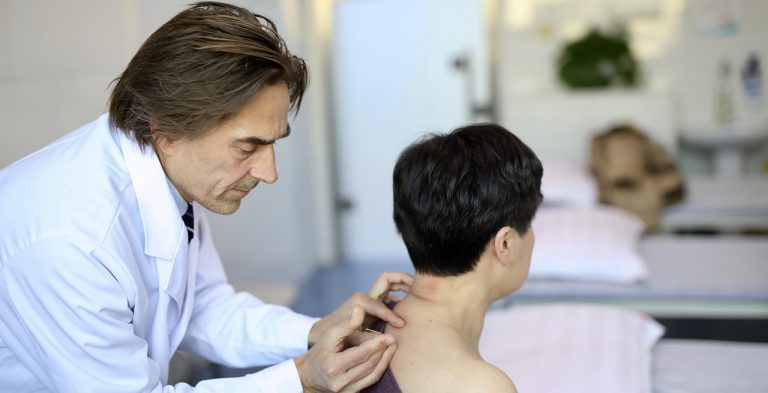
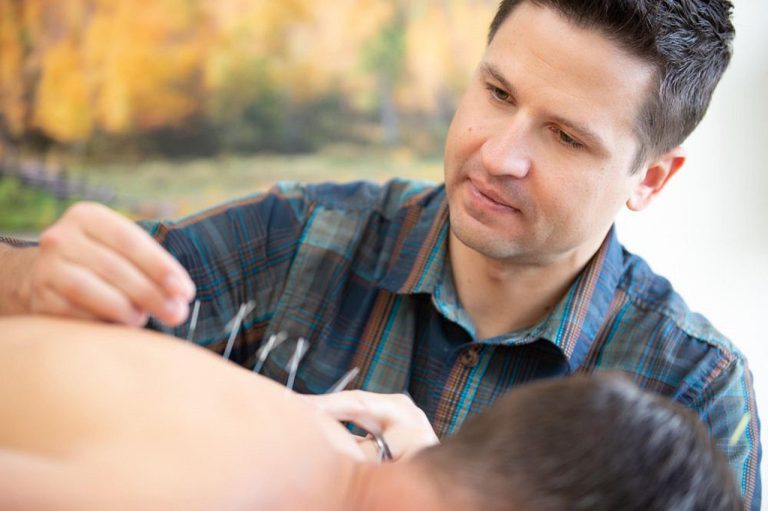
Acupuncture means placing fine needles into the skin to treat health problems. The needles may be turned by hand or stimulated with small electrical currents, which is called electroacupuncture. NCCIH says acupuncture comes from traditional Chinese medicine and has been used in some form for at least 2,500 years. Use among U.S. adults more than doubled, from 1.0 percent in 2002 to 2.2 percent in 2022, most often for back, joint or neck pain.
New York law defines acupuncture as treating disorders by stimulating points on the body with needles, heat, pressure or electrical stimulation, and its definition also covers recommending diet, herbs and supplements according to East Asian medical traditions (Education Law section 8211).
How it might work, and the placebo question
NCCIH says how acupuncture works is not fully understood. There is evidence it may affect the nervous system and the tissue where needles are placed. Part of the benefit also seems to come from what researchers call nonspecific effects, such as a person’s belief in the treatment and the relationship with the practitioner.
To test this, studies compare real acupuncture with sham acupuncture, for example a device that pokes the skin without going in. In many studies, real acupuncture beats no treatment by a wider margin than it beats sham. That does not mean the relief people feel is not real. It means some of the benefit may come from the overall experience of treatment rather than from exact needle placement.
Where acupuncture may help
Back and neck pain
NCCIH reports that a 2018 review found acupuncture more effective than no treatment for back or neck pain, and more effective than sham in a smaller group of studies, with pain relief comparable to anti-inflammatory medicines (NSAIDs). The American College of Physicians’ 2017 guideline lists acupuncture among first nondrug options for chronic low back pain and for new back pain. NCCIH notes the evidence was judged moderate quality for chronic pain and low quality for acute pain. Our guide on where to start with back pain compares options.
Knee osteoarthritis
A 2018 review found acupuncture better than both no treatment and sham for osteoarthritis pain, mostly in the knee, with effects comparable to NSAIDs. A 2019 American College of Rheumatology and Arthritis Foundation guideline conditionally recommends it for knee, hip or hand osteoarthritis, according to NCCIH.
Headaches
Moderate-quality evidence suggests acupuncture may reduce how often migraines happen, but its advantage over sham is small. Evidence for tension-type headaches is of moderate to low quality.
Other symptoms with some support
- Pain after surgery: a 2016 review found less pain and less opioid use in people treated a day after surgery.
- Joint pain from aromatase inhibitors (a breast cancer medicine): a 2018 study of 226 women found less joint pain than with sham or no acupuncture.
- Fibromyalgia: a 2019 review found acupuncture better than sham for pain, though the evidence was low to moderate quality.
- Nausea and vomiting from cancer treatment: experts generally agree it helps, but this rests mostly on older research, and its value alongside today’s standard treatments is uncertain.
- Seasonal allergies and stress urinary incontinence in women: some studies suggest benefit.
- Depression: a 2018 review suggested it may moderately reduce severity, but most studies were low or very low quality, so NCCIH urges caution.
Where it does not seem to help, or the evidence is too weak
According to NCCIH, studies have found little or no benefit over sham, or not enough good evidence to say, for these uses:
- IVF and fertility: a 2021 review found no difference in pregnancy or live birth rates compared with sham.
- Quitting smoking: no significant benefit lasting six months or more, and the U.S. Preventive Services Task Force makes no recommendation.
- Hip osteoarthritis: two trials found little or no difference from sham.
- Irritable bowel syndrome: no better than sham, though it may help alongside other treatment.
- Carpal tunnel syndrome: a 2018 review found little or no effect compared with sham.
- Menopausal hot flashes: better than no acupuncture, but not better than sham.
- Cancer pain: not more effective than drug therapy, though it may help as an add-on.
- Sciatica: it may help, but the research is not good enough for firm conclusions.
NCCIH’s advice is simple: don’t use an unproven practice as a reason to put off seeing your health care provider about a health problem (NCCIH).
Safety in brief
NCCIH says relatively few complications have been reported. Most have come from nonsterile needles or improper technique, and when done improperly acupuncture can cause infections, punctured organs or injury to the central nervous system. The FDA regulates acupuncture needles as medical devices and requires them to be sterile and labeled for single use. Our guide Is acupuncture safe? covers side effects and warning signs.
When to see a doctor first
New York requires licensed acupuncturists to advise every patient to see a physician about their condition, and to keep a signed form showing they did (section 8211). Take that advice seriously, and see a medical doctor before starting acupuncture if you have:
- new, severe or worsening pain, or pain after a fall or injury;
- numbness, weakness, or loss of bladder or bowel control;
- fever, unexplained weight loss, or a history of cancer;
- a bleeding disorder, or you take blood thinners;
- a pregnancy, especially one with complications;
- symptoms that have never been diagnosed.
For depression or anxiety, a licensed mental health professional can help.
Insurance and Medicare
Medicare Part B covers acupuncture, including dry needling, only for chronic low back pain: pain lasting 12 weeks or longer, with no known cause such as cancer that has spread or an infection, and not tied to surgery or pregnancy. It covers up to 12 treatments in 90 days, and 8 more if you improve, for no more than 20 in 12 months. Medicare says it cannot pay licensed acupuncturists directly; the treatment must come from a doctor or another qualifying provider, such as a nurse practitioner or physician assistant, with an accredited acupuncture degree and a full state license. Private plans vary, so call your insurer.
New York licensing
In New York, only a licensed acupuncturist, or a physician or dentist certified in acupuncture, may practice acupuncture. Licensees use the title “licensed acupuncturist”; certified physicians and dentists use “certified acupuncturist” (section 8212). A licensed acupuncturist completes at least 60 semester hours of college, an approved acupuncture program, and national exams from the National Certification Board for Acupuncture and Herbal Medicine (NYSED: Acupuncture license requirements). NYSED says only licensed acupuncturists may use the initials “L.Ac.” (NYSED: Acupuncture consumer information). Our guide to New York acupuncturist titles explains the letters.
Check any license and current registration with NYSED’s Online Verification Search, or follow our guide How to check a New York license. Every profile in our acupuncturist listings links to that lookup. Search by town, or browse acupuncturists in Westchester, the Bronx or Rockland.
This is general information, not medical advice. Talk with your doctor before starting a new treatment. In an emergency, call 911.
Sources
- NCCIH: Acupuncture: Effectiveness and Safety
- NCCIH: Are You Considering a Complementary Health Approach?
- American College of Physicians: Guideline for treating nonradicular low back pain (2017)
- Medicare.gov: Acupuncture coverage
- NY Education Law section 8211: Acupuncture definitions and patient advisement
- NY Education Law section 8212: Practice of acupuncture and titles
- NYSED: Acupuncture license requirements
- NYSED: Acupuncture consumer information
- NYSED Office of the Professions: Online Verification Search